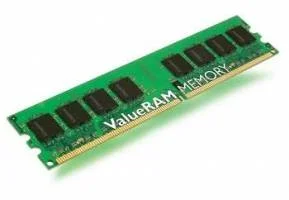
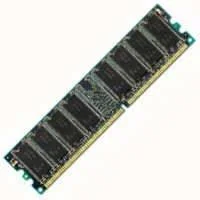
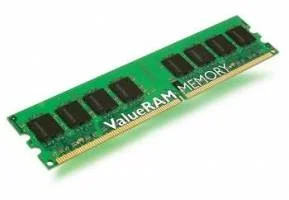
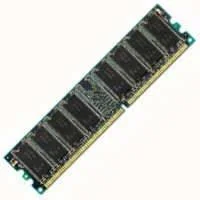
Memory for Computers
RAM memory is the computer working memory. It keeps the information the computer needs right now quickly available, so programs, browser tabs and files can stay responsive.
A simple way to understand RAM is to think of it as a desk: the larger the desk, the more things you can keep open at the same time without constantly moving them away.
What does RAM do in practice?
When you open a program, browser tab or file, the needed data is moved into RAM. With enough memory, the computer can handle several tasks at the same time more smoothly.
- Helps run several programs and browser tabs at once
- Reduces slowdowns and waiting
- Improves the overall feel of the computer
Why does RAM affect performance?
- Too little RAM means the computer may use the hard drive or SSD as temporary memory, which is much slower
- Enough RAM keeps active programs available and responsive
Can RAM be upgraded?
Yes. Most desktop computers and many laptops can have memory added or replaced. A memory upgrade is often one of the most affordable ways to improve an older computer.
Extra memory is especially useful if browser tabs, image editing, games or multitasking make the computer slow.